
Sub-Total: $0.00
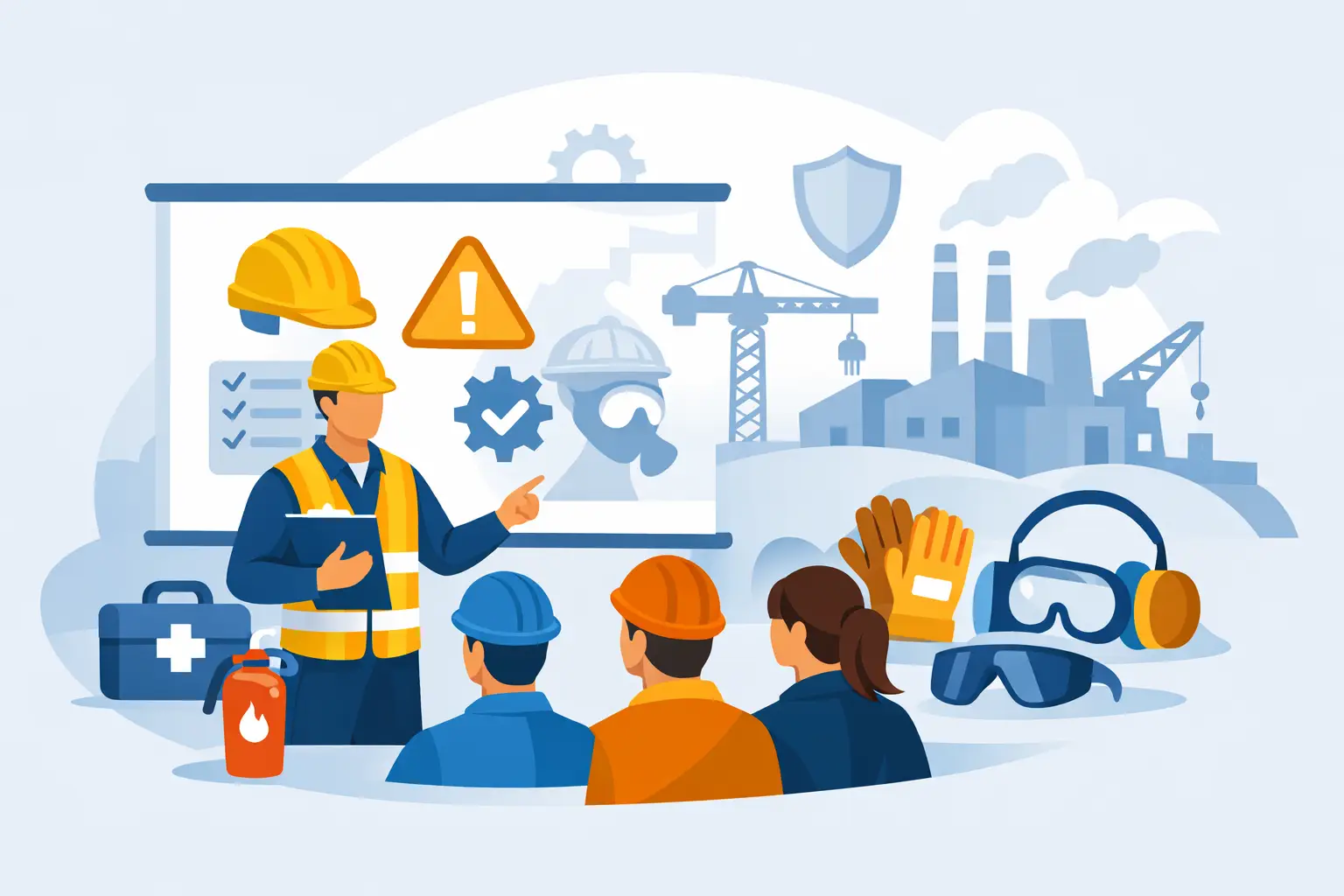
OSHA Training: What Workers Need to Know
A new job can move fast. You fill out paperwork, learn the schedule, meet your supervisor, and start figuring out how the workplace really runs. That is exactly why osha training matters. Safety expectations are not something employees should be left to guess, especially in jobs where equipment, physical tasks, chemicals, or busy environments are part of the day.
For many workers, OSHA training is tied to a hiring requirement or a company policy. For others, it is a practical step that builds confidence before starting work in construction, general industry, warehousing, maintenance, landscaping, manufacturing, or similar fields. Either way, the goal is simple: help people recognize hazards, understand their rights, and make safer decisions on the job.
What OSHA training actually covers
OSHA stands for the Occupational Safety and Health Administration. The agency sets and enforces workplace safety standards in the United States. Training connected to OSHA is designed to help workers and employers understand those standards and apply them in real work settings.
That does not mean every course is the same. Some OSHA training is broad and meant to introduce core safety concepts. Other training is job-specific and focuses on particular hazards, tasks, or industries. A worker in an office setting will not need the same level of instruction as someone working around ladders, electrical systems, forklifts, or fall risks.
In most cases, OSHA-related learning includes hazard recognition, reporting procedures, personal protective equipment, emergency response basics, and the rights workers have under federal safety rules. Good training also helps people understand what unsafe conditions look like before an incident happens. That part matters because prevention is always easier than responding after someone gets hurt.
OSHA 10 vs. OSHA 30 training
One of the most common questions people ask is whether they need OSHA 10 or OSHA 30. The answer depends on the role, the employer, and sometimes the type of jobsite.
OSHA 10 training
OSHA 10 is generally an entry-level course. It is built for workers who need a practical introduction to workplace safety and health topics. If you are new to an industry, changing careers, or applying for a role where basic safety awareness is expected, OSHA 10 is often the right fit.
This course is meant to help workers identify common hazards and understand how to avoid them. It does not make someone a safety manager or specialist, but it does give a solid foundation.
OSHA 30 training
OSHA 30 goes further. It is usually intended for supervisors, foremen, safety leads, and workers with broader responsibility on a jobsite or in a facility. The course takes more time and covers safety responsibilities in greater depth.
If you manage people, oversee operations, or want to strengthen your qualifications for advancement, OSHA 30 may make more sense. It can also be valuable for small business owners who need a better working knowledge of workplace safety expectations.
Who may need OSHA training
Not every job requires the same course, and not every employer asks for an OSHA card. Still, OSHA training is commonly requested in fields where physical risk is part of the work.
Construction is the most obvious example, but it is not the only one. General industry roles in warehouses, manufacturing plants, distribution centers, and maintenance environments often benefit from structured safety training. Employers may also prefer applicants who already understand the basics of hazard communication, walking-working surfaces, electrical safety, and injury prevention.
For job seekers, that can make OSHA training more than a compliance item. It can be a way to show readiness. If two applicants have similar experience, the one who already completed recognized safety training may stand out as someone prepared to work responsibly from day one.
Small business owners should also pay attention here. If you are hiring staff, expanding operations, or trying to create more consistent procedures, safety training can help reduce confusion and support a stronger workplace culture. It is not a substitute for company-specific policies, but it gives employees a common starting point.
Why OSHA training matters beyond compliance
Some people treat OSHA training like a box to check. That happens, especially when a course is required before someone can start work. But the real value is larger than compliance.
Training helps workers slow down and notice what can go wrong. A rushed task, missing protective gear, poor housekeeping, or unclear instructions may seem small in the moment. On a real jobsite, small oversights can turn into injuries, lost work time, or major disruptions.
There is also a confidence factor. Workers who understand basic safety principles often communicate better, ask stronger questions, and feel more prepared to speak up when something is off. That can be especially important for people entering a new field, returning to work after time away, or building skills in English while learning a hands-on job.
For employers, the benefit is not just fewer incidents. Better training can support consistency, accountability, and a workplace where expectations are clearer. That does not guarantee every problem disappears, of course. Safety still depends on supervision, equipment condition, staffing, and daily habits. But training gives everyone a stronger baseline.
How to choose the right OSHA training
The best course is the one that matches your actual work goals. If you are applying for entry-level roles and need basic safety preparation, OSHA 10 may be enough. If you supervise workers or want to move into leadership, OSHA 30 may be the better option.
It also helps to think about industry context. Construction-focused training and general industry training are not interchangeable. A warehouse employee and a residential construction worker face different hazards, so the course should reflect that.
If you are unsure what an employer expects, ask before enrolling. That simple step can save time and help you avoid taking a course that does not match the position. For business owners, it is worth reviewing whether your team needs general awareness training, more advanced instruction for supervisors, or additional site-specific education beyond an OSHA outreach course.
A reliable training provider should make these differences clear. You should know what the course covers, who it is designed for, and what completion documentation you will receive. If the information feels vague, that is a sign to ask more questions.
What to expect from a good training experience
A good OSHA training experience should be clear, organized, and practical. The material needs to connect to real workplace situations, not just definitions on a screen. Workers should leave with a better sense of how to identify hazards, follow procedures, and respond when conditions are unsafe.
Support also matters. Adult learners often balance training with work, family, and other responsibilities. Some are comfortable with online learning, while others benefit from more guidance. A dependable provider respects that and helps learners move through the process without confusion.
This is where local support can make a real difference. In communities across Florida, many adults are juggling job applications, required certifications, background screening, and test appointments all at once. Having one trusted place to ask questions and get pointed in the right direction can remove a lot of stress from the process.
OSHA training and career readiness
For many people, OSHA training is not the final goal. It is one step in becoming job-ready. A construction helper may need it before stepping onto a site. A maintenance worker may need it to strengthen a resume. A small employer may use it to build a safer team while growing operations.
That is why it helps to think of training as part of a larger plan. If you are building toward a new role, look at what employers in your field actually ask for. If you are running a business, think about where safety knowledge fits into hiring, onboarding, and daily operations.
The strongest training decisions are usually practical ones. Not the longest course, not the most complicated option, just the one that fits the work and helps people perform it more safely.
If you are preparing for a job, supporting your team, or trying to meet workplace requirements with less guesswork, OSHA training can be a smart next step. The right course does more than satisfy a requirement. It helps people work with greater awareness, greater confidence, and a stronger sense that they are ready for what the job asks of them.