
Sub-Total: $0.00
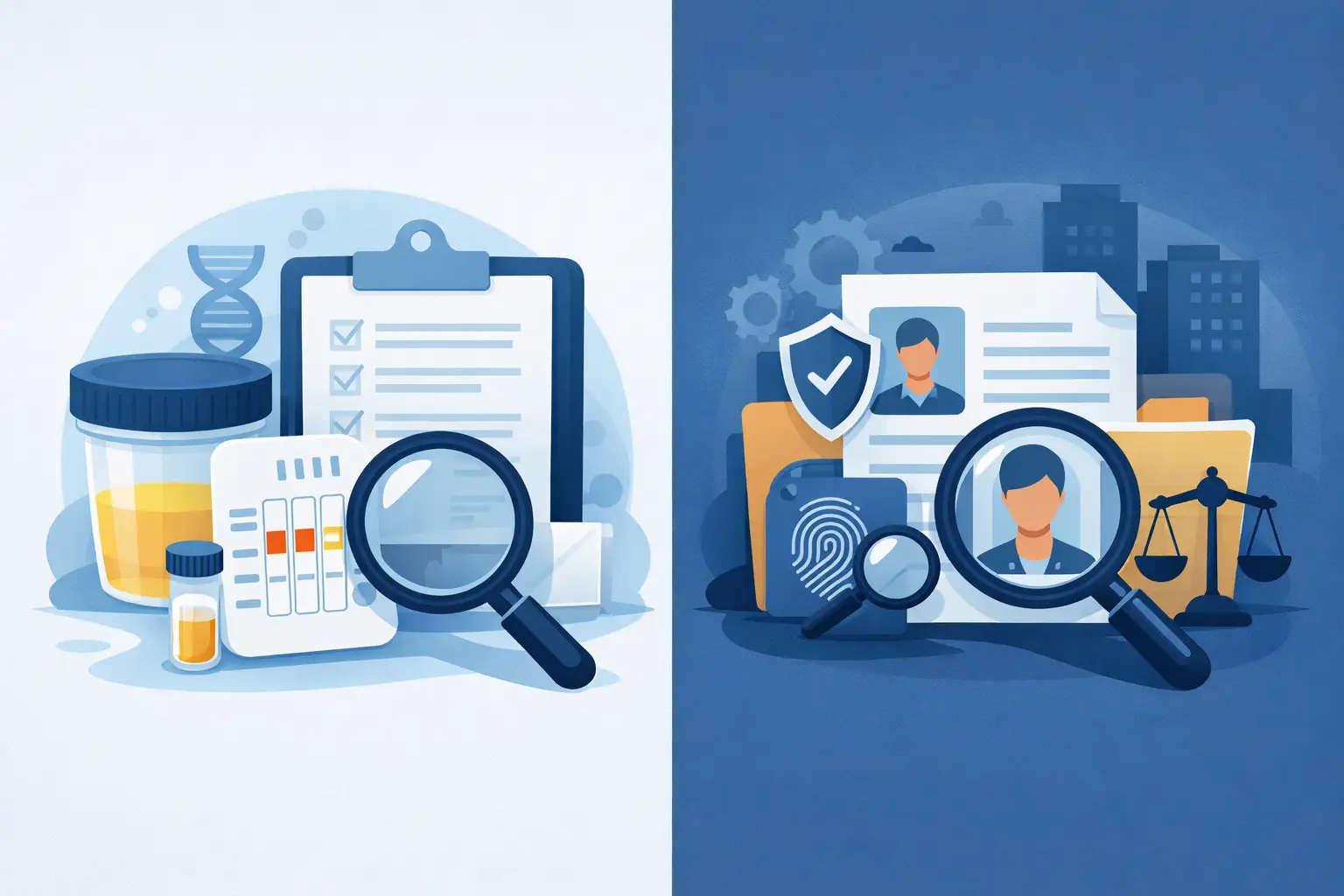
Drug Test vs Background Check Explained
A job offer can feel almost final – right up until an employer says they still need a screening completed. That is where many applicants pause and ask the same question: what is the real difference between a drug test vs background check? They are often mentioned together in hiring, but they serve very different purposes, follow different processes, and can affect your next steps in different ways.
If you are applying for a role in healthcare, transportation, education, government, or another regulated field, understanding that difference can save time and reduce stress. It can also help small employers make better hiring decisions and communicate expectations more clearly.
Drug test vs background check: the core difference
A drug test checks whether a person has used certain substances. A background check reviews parts of a person’s history, such as identity, criminal records, employment verification, education, or other screening details allowed by law and required for the role.
That means one is focused on current or recent substance use, while the other is focused on past records and verification. Employers may request one, the other, or both depending on the position, industry rules, safety concerns, and internal hiring policies.
This distinction matters because applicants sometimes prepare for the wrong thing. Someone may gather employment records when they actually need to complete a urine or hair test quickly. Another person may expect a simple drug screen and not realize they also need to respond to questions about prior addresses, names used, or authorization forms for a background review.
What a drug test is meant to show
A drug test is usually part of a workplace screening process tied to safety, compliance, or employer policy. It is not the same as a medical exam, and it is not designed to tell an employer everything about your health. It is a targeted screening for specific substances.
The type of test matters. Urine testing is common for pre-employment screening, but some employers use saliva, hair, or blood tests based on the role and the standard they follow. Federal and state requirements can also shape which method is used, especially in transportation or other safety-sensitive industries.
A drug test may be requested before hiring, after an accident, at random during employment, or when there is reasonable suspicion. For job seekers, the pre-employment version is the one that comes up most often. Usually, the employer provides instructions, a time window, and the testing location or authorization.
Timing can be important. Some tests detect more recent use, while others may identify patterns over a longer period. That is one reason applicants should avoid assumptions based on what a friend experienced at another company. The screening process depends on the employer, the job, and the governing rules.
What a background check is meant to show
A background check is broader and more variable. It may include identity verification, criminal history searches, employment verification, education verification, professional license checks, driving record review, or other role-specific screening.
Not every employer checks the same items. A warehouse employer may care about driving history for a delivery position. A healthcare employer may focus on license status, sanction checks, and criminal history. A school or child-care setting may require a deeper review because of the population being served.
This is where context matters. A background check is not always a one-size-fits-all report. It is often tailored to the responsibilities of the position. A front-desk role and a commercial driving role may both require screening, but the details can be very different.
Employers also have legal responsibilities when using background information in hiring. They generally need written consent before ordering a background check through a consumer reporting agency, and there are rules around notice and adverse action if the results affect hiring decisions. For applicants, that means paperwork and accuracy matter. Even small errors in names, dates, or past addresses can slow the process.
Why employers often use both
When employers request both screenings, they are answering two separate questions. First, is the person eligible and suitable for the role based on verified history? Second, does the person meet the organization’s drug-free workplace or safety requirements?
For some jobs, using both is a practical step rather than a sign of distrust. A business may need to confirm a candidate’s identity and work history while also meeting insurance, safety, or client contract standards. In regulated industries, employers may have less flexibility because rules are already set for them.
Small business owners sometimes worry that more screening always means a better decision. Not necessarily. The best approach is the one that fits the role, follows the law, and is explained clearly to the applicant. Too little screening can create risk, but too much can create confusion, delays, or unnecessary barriers.
Drug test vs background check in the hiring timeline
A drug test and a background check can happen close together, but they do not always move at the same speed. Drug tests often have a short completion window. Background checks can take longer because they may involve record searches, employer responses, school confirmations, or manual review.
That difference can surprise applicants. A person may complete a drug test in one day and still wait several more days for a background check to clear. Delays do not always mean a problem exists. Sometimes the issue is as simple as a previous employer being slow to respond or a common name needing extra record verification.
For employers, this is why communication matters. If candidates know what is being screened and how long each step may take, the process feels more manageable. For applicants, reading instructions carefully and responding quickly to document requests can help avoid preventable setbacks.
Common misunderstandings that cause problems
One common misunderstanding is thinking that passing one screening means the other does not matter. A clean drug test does not replace a background check, and a strong background report does not waive a drug screening requirement.
Another issue is assuming every flagged result leads to automatic disqualification. Sometimes it does, especially if the role has strict legal or safety standards. But sometimes the employer needs clarification, documentation, or a chance to review context. That is especially true with background checks, where records can be incomplete, outdated, or linked to the wrong person.
Applicants also mix up fingerprinting with background checks. Fingerprinting is a method used in some screening processes to confirm identity and support criminal history review, but it is not identical to the full background check itself. Depending on the job, fingerprint-based screening may be only one part of the overall process.
How job seekers can prepare
The best preparation is simple and practical. Read every instruction, complete forms carefully, bring valid identification, and respond quickly if the employer or screening provider asks for more information.
For a background check, it helps to have accurate details ready, including previous addresses, dates of employment, school information, and any professional license details that may need verification. If you know there may be a record issue or discrepancy, honesty early in the process is usually better than hoping it will not appear.
For a drug test, follow the collection instructions exactly and complete the test within the required timeline. Do not rely on myths or online shortcuts. If you take prescription medication that could affect a result, follow the testing provider’s instructions on disclosure and documentation.
If English is not your first language or the paperwork feels unclear, ask for help before submitting anything. A little guidance can prevent avoidable mistakes.
What employers should keep in mind
Employers benefit when screening is consistent, job-related, and explained in plain language. Candidates are more likely to complete the process smoothly when they understand why the screening is required and what steps come next.
It also helps to work with reliable local support when screening needs overlap with fingerprinting, exam services, or other compliance tasks. For businesses and job seekers in Florida, having one dependable place to handle these steps can reduce stress and keep hiring moving.
A thoughtful screening process does more than protect the workplace. It also shows applicants that the employer is organized, fair, and serious about standards.
When the right support makes a difference
The phrase drug test vs background check sounds simple, but the real answer depends on the role, the employer, and the rules attached to the job. What matters most is knowing that they are different tools with different purposes.
If you are moving toward a new job, professional license, or compliance requirement, clear guidance can make the process feel far less overwhelming. The right support does not just help you complete a screening – it helps you move forward with more confidence in every next step.