
Sub-Total: $0.00
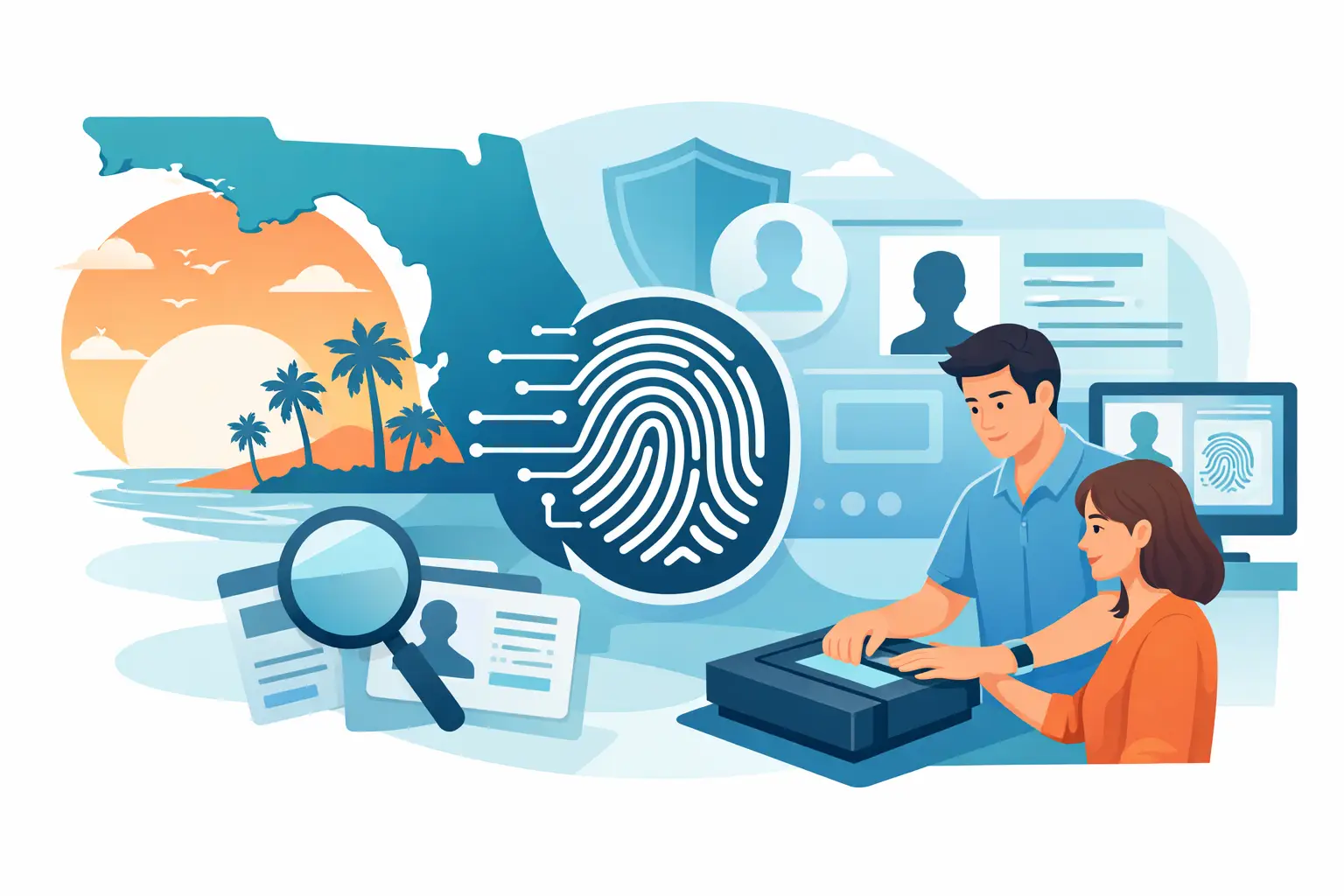
Florida Live Scan Requirements Guide for Applicants
A fingerprinting appointment can be the last item standing between you and a new job, license, certification, or volunteer opportunity. This Florida live scan requirements guide explains what to confirm before your appointment so your fingerprints are submitted to the right agency and your next professional step stays on track.
What Florida Live Scan Fingerprinting Is
Live scan is an electronic fingerprinting process used for many Florida background screenings. Rather than mailing ink fingerprint cards in the usual process, a trained provider captures your fingerprints digitally and sends them through the appropriate state system for processing.
Florida agencies may require live scan fingerprints for healthcare roles, education, real estate, security-related work, professional licenses, state-regulated businesses, volunteer positions, and other roles involving public trust. The requirement is not the same for every applicant. Your employer, licensing board, school, program, or sponsoring organization determines which screening is needed.
That distinction matters. A live scan provider captures and transmits fingerprints, but the requesting agency decides the screening level, reviews the results, and determines eligibility. Completing your appointment accurately is essential, but it does not replace the agency’s application process or guarantee approval.
Florida Live Scan Requirements Guide: Start With the Agency
Before scheduling, read every instruction from the organization requesting your background screening. A job posting alone may not contain enough information. Look for a fingerprinting instruction sheet, application checklist, portal message, or email from the agency.
The most important detail is often the ORI number, short for Originating Agency Identifier. This code tells the system which Florida agency, board, or organization should receive your fingerprint results. If an ORI number is required, bring it exactly as provided. A single incorrect character can send results to the wrong destination or create delays while information is corrected.
Some agencies also provide a screening purpose, a professional license number, an application number, a contributor case number, or other identifying information. Do not assume these fields are optional just because another application did not require them. Requirements can differ between an employer screening and a state licensing application, even when both use live scan fingerprinting.
If your instructions are unclear, contact the requesting organization before your appointment. Asking one question early can prevent the frustration of having to submit fingerprints again later.
What to Bring to Your Appointment
Your fingerprinting provider needs enough information to verify your identity and correctly enter the details required by the requesting agency. Bring your instructions in printed or digital form, along with valid government-issued photo identification.
For most appointments, prepare the following:
- A current, unexpired government-issued photo ID, such as a driver license, state ID, passport, or other identification accepted by the provider
- Your ORI number and any additional agency instructions
- Your full legal name, date of birth, and current contact information
- Any application, license, employee, or case number assigned by the requesting agency
Use the same legal name across your identification, fingerprinting record, and agency application whenever possible. If your name has changed because of marriage, divorce, or another legal reason, ask the requesting agency what documentation it needs. A mismatch does not always stop the process, but it can require additional review.
For applicants who are not comfortable reading detailed agency instructions in English, it helps to bring the original notice and ask for clarification before fingerprints are captured. Clear communication protects your time and helps ensure the information entered matches the agency’s request.
How the Live Scan Appointment Works
At the appointment, the technician verifies your identification, enters the required personal and agency information, and captures your fingerprints electronically. You will place each finger on a digital scanner as directed. The process is generally straightforward, but fingerprint quality can vary from person to person.
Dry skin, worn fingerprints, manual labor, age, and certain skin conditions can make prints more difficult to capture. Applying lotion the day before may help with dry hands, but avoid arriving with excessively oily or wet hands. The technician may ask you to clean or adjust your fingers during the session to improve image quality.
Once the fingerprint images meet the system’s quality standards, they are transmitted electronically. Keep any receipt, confirmation, or transaction information you receive. It can be useful if the agency asks you to verify the date of submission or follow up on the status of your screening.
The fingerprinting provider usually cannot give you your background-check result or explain a final eligibility decision. Results are handled by the agency or organization that requested the screening. Processing times vary based on the agency, the type of screening, and whether additional review is needed.
Avoid the Most Common Causes of Delay
Most avoidable delays happen before the scanner is even used. The first is arriving without the correct ORI number or with instructions for a different agency. The second is entering a name, date of birth, or application number that does not match the records held by the requesting organization.
Another common issue is scheduling fingerprints too early. Some agencies require fingerprints within a certain stage of the application process, while others require an application or license number first. Follow the timeline given by your employer or licensing board rather than relying on general advice from another applicant.
It is also wise to confirm whether you need a Florida-specific live scan submission. Fingerprints taken for one purpose cannot always be reused for another. For example, a prior screening completed for an employer may not satisfy a separate licensing or volunteer requirement. The receiving agency makes that decision.
If you receive a notice that your fingerprints were rejected or need to be resubmitted, respond promptly and follow the instructions from the agency. A resubmission can happen because of fingerprint image quality or information that needs correction. It is not automatically a sign that you have been denied.
Know the Difference Between Fingerprinting and Background Clearance
Many applicants use the terms interchangeably, but live scan fingerprinting and background clearance are different steps. Fingerprinting is the identity-verification and submission process. Background clearance is the agency’s review of the records returned through its required screening channels.
That means the technician cannot tell you whether a prior record will affect your application. If you have questions about eligibility, prior offenses, exemptions, licensing standards, or a pending application, direct them to the employer, licensing board, or legal professional appropriate to your situation.
Being accurate and proactive is still valuable. If an agency asks for additional documents or explanations, respond by its deadline. Keep copies of communications, confirmation numbers, and any documents you submit. Organized records make it easier to address questions without losing momentum.
Planning Your Appointment in Florida
For applicants in Charlotte County, Sarasota County, and throughout Florida, choosing a local provider that understands appointment-based professional services can make the process less stressful. Look for a provider that can review the information you bring, capture fingerprints carefully, and explain what happens during the appointment without making promises about agency outcomes.
IG Group supports individuals working toward employment, certification, licensing, and other professional goals with dependable local assistance. When you are ready, schedule your live scan appointment with your agency instructions and identification prepared. If you are unsure what to bring, seek clarification before arriving rather than risking a preventable delay.
Your live scan appointment may be a short task, but it represents a meaningful step toward the opportunity ahead. Come prepared, verify the agency details, and give your application the clear, accurate start it deserves.