
Sub-Total: $0.00
Live Scan Fingerprinting Guide for First-Timers
A lot of people show up for fingerprinting with one question on their face: Am I missing anything? That concern makes sense. When fingerprinting is tied to a job application, license, background screening, or state requirement, even a small mistake can slow things down. This live scan fingerprinting guide is here to make the process clearer, so you can arrive prepared and move forward with confidence.
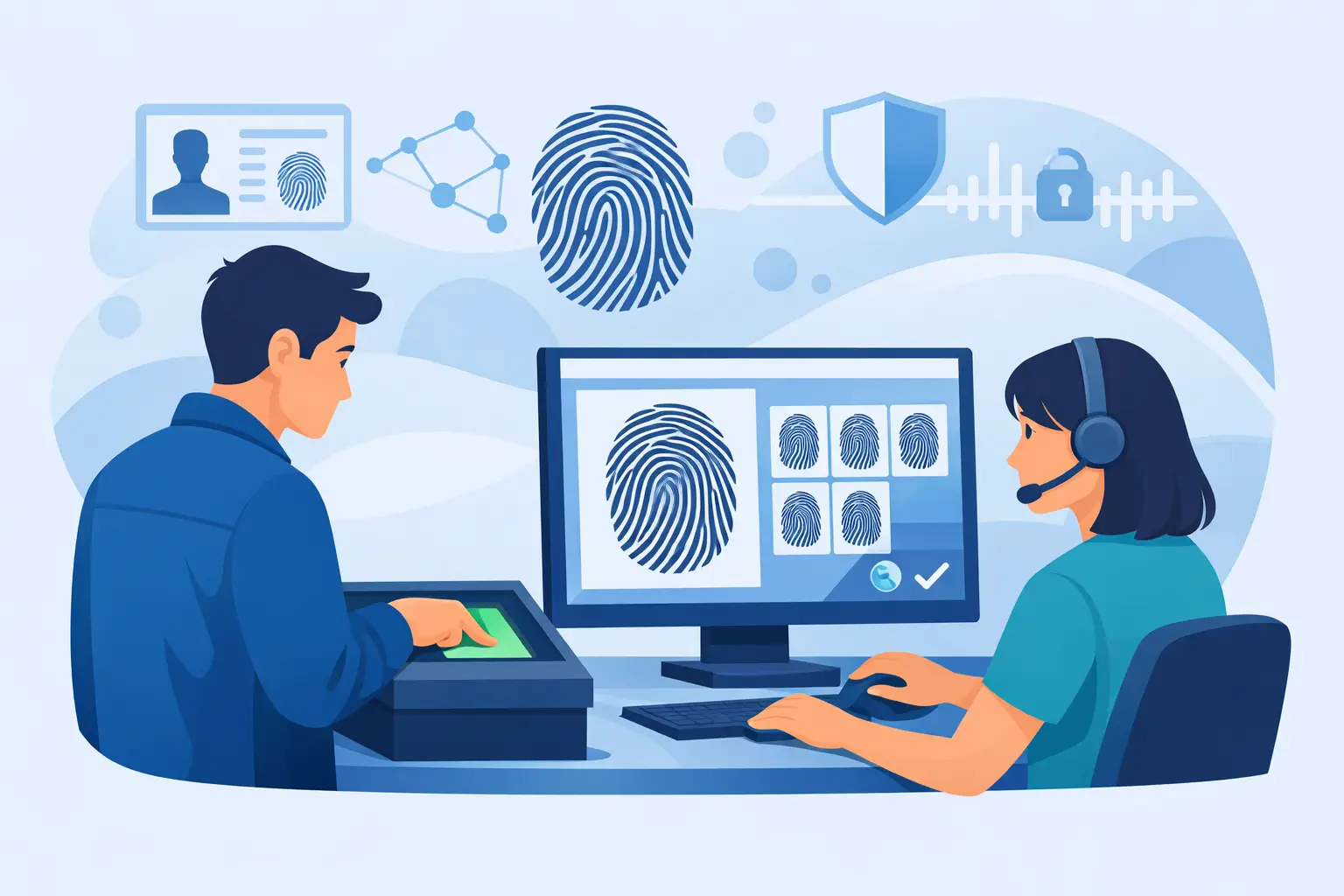
Live scan fingerprinting is an electronic method of capturing fingerprints and submitting them for a background check. Instead of using ink cards, a technician scans your prints digitally and sends them to the appropriate agency or requesting organization. For many applicants, that means faster processing, fewer errors, and a cleaner experience. It is widely used for employment, professional licensing, volunteer work, childcare, healthcare, education, and other regulated fields.
What live scan fingerprinting is and why it matters
Live scan fingerprinting is not just about taking fingerprints. It is part of an identity verification and screening process that helps employers, licensing boards, and government agencies confirm whether an applicant meets certain requirements. The fingerprints themselves are only one piece of the process, but they are often the step that allows everything else to move forward.
That is why details matter. If your name is entered incorrectly, if you bring the wrong form of identification, or if you use the wrong service code or request information, your results may not reach the correct agency. In some cases, that can delay hiring, onboarding, or license approval. The good news is that most of these problems are avoidable when you know what to expect.
When you may need a live scan fingerprinting appointment
People often need live scan fingerprinting during a career transition or while completing a required screening. A nursing student may need it before clinical placement. A teacher or childcare worker may need it for state clearance. A small business owner may need fingerprint-based screening tied to a regulated service. Someone applying for a new job may be sent by an employer with specific instructions.
The reason for your appointment affects the paperwork you need. Some applicants come with a request form from an employer or agency. Others receive a specific code, ORI number, or transaction number that tells the provider where the results must go. If you are unsure what your requesting organization needs, it is better to confirm before your appointment than to guess.
What to bring to your fingerprinting appointment
The most important item is a valid government-issued photo ID. In many cases, this will be a driver license, state ID, passport, or another accepted form of identification. The name on your ID should match the name used in your application or request paperwork.
You should also bring any documents provided by the employer, licensing board, school, or agency requesting your fingerprints. That may include a request form, an ORI number, a service code, or other instructions. If you received confirmation by email or text, keep that information available.
It also helps to know your contact details and basic personal information, including your current address, date of birth, and phone number. Most appointments are simple, but being ready with complete information helps avoid unnecessary delays.
How the live scan fingerprinting process works
If this is your first time, the process is usually easier than people expect. After check-in, the technician reviews your identification and paperwork to make sure the submission is going to the right place. Once that is confirmed, your fingerprints are captured electronically using a live scan device.
The technician will guide you through the scan, usually one hand at a time and then individual fingers as needed. You do not need to know any special technique. In fact, trying too hard can sometimes make the prints less readable. The best approach is to follow instructions, stay relaxed, and let the technician position your hands.
After the prints are captured, they are reviewed for quality before submission. If the scan is clear, the information is transmitted to the proper agency or system based on the request. The actual appointment is often brief, but accuracy at each step matters more than speed.
Live scan fingerprinting guide to avoiding common delays
Most delays happen before the scan begins, not during it. Missing paperwork is a frequent issue. So is arriving with identification that is expired, damaged, or does not match the name on the request.
Another common problem is incomplete or incorrect request information. If the requesting organization gave you a code or agency identifier, it needs to be entered correctly. Using the wrong information can send your results to the wrong destination or cause them to be rejected.
Fingerprint quality can also affect timing. Some people have prints that are harder to capture because of dry skin, worn fingertips, frequent handwashing, manual labor, or age. That does not mean the process will fail, but it may take longer to get a strong scan. If your hands are extremely dry, applying lotion earlier in the day can sometimes help, though you should avoid arriving with wet or greasy hands.
What happens after your fingerprints are submitted
Once your fingerprints are sent, the next steps depend on the agency reviewing them. In many cases, the fingerprinting provider does not make the background check decision and does not control how long the requesting organization takes to process the results. The provider captures and submits the prints, but the employer, board, or agency handles the review.
That distinction is important because applicants sometimes expect immediate results at the appointment. Usually, fingerprinting is one step in a larger process. Your employer or licensing authority may contact you when your screening is complete, or they may update your status through their own system.
If you need proof that you completed the fingerprinting appointment, ask whether a receipt or confirmation document is available. Keeping your records organized is always a good idea, especially if you are managing multiple steps such as exam registration, license applications, or onboarding paperwork.
Who benefits from clear, local support
For many adults, fingerprinting is not a routine task. It comes up when something important is already happening – a new job, a certification path, a state requirement, or a business need. That is why local support matters. A provider that can answer questions clearly, verify what is needed, and help you feel prepared can reduce stress in a process that often feels high-stakes.
This is especially helpful for first-time applicants, English language learners, career changers, and small business owners handling compliance tasks for the first time. People do better when they are not left guessing. Clear guidance helps you avoid repeat trips and keeps your momentum going.
In communities across Florida, many clients are balancing work, family responsibilities, training, and deadlines all at once. A dependable appointment process can make a real difference when time and accuracy both matter.
How to prepare for the smoothest possible appointment
The best preparation is simple. Confirm what the requesting organization requires, make sure your ID is valid, and bring every document connected to the request. Arrive a few minutes early so you are not rushed. If your hands are dry or irritated, take reasonable steps to improve skin condition before the appointment.
It also helps to ask questions in advance if anything is unclear. That is not overpreparing. It is a practical way to prevent delays. If you are unsure whether you need a specific code, form, or instruction sheet, getting confirmation beforehand is far easier than having to reschedule later.
At IG Group, the goal is to make required services feel more manageable by giving clients straightforward support and respectful guidance. When you are working toward a job, license, or new opportunity, the right help at the right time matters.
Live scan fingerprinting may be one appointment on your calendar, but it often connects to a much bigger goal. Showing up prepared gives you one less obstacle to worry about and one more step completed with confidence.