
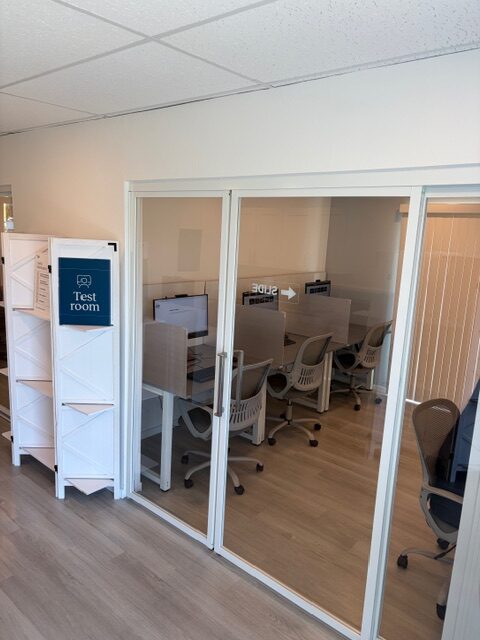
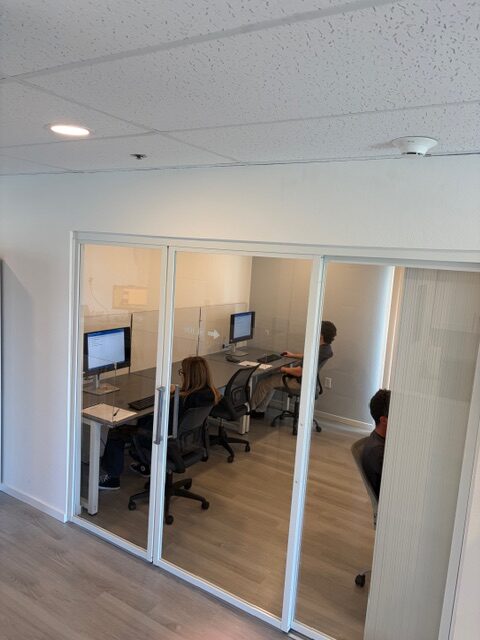
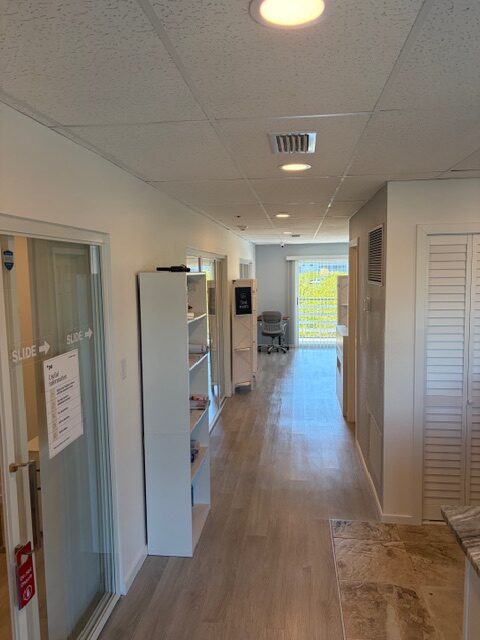
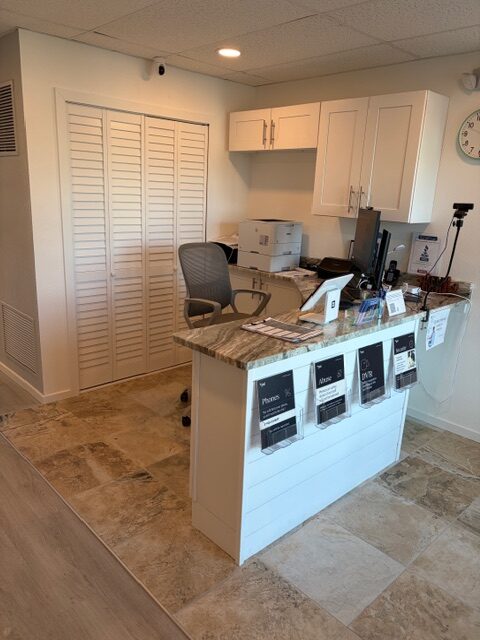







Professional Exam Center Guide for Test Day

A professional exam can represent a new license, a career change, a required credential, or the next step toward a job you have worked hard to earn. That is why test day should not be left to guesswork. This professional exam center guide explains what to expect, what to prepare, and how to arrive ready to focus on the exam itself.
Testing centers follow strict procedures to protect exam integrity and make sure every candidate has a fair experience. Those procedures can feel unfamiliar if it is your first certification or computer-based exam. With a little preparation, however, check-in becomes routine and you can put your attention where it belongs: demonstrating what you know.
Before You Schedule Your Exam
Start by confirming the exact exam you need, the testing provider that delivers it, and the eligibility requirements. Professional exams may be administered through providers such as Pearson VUE, PSI, or Talogy, but each exam sponsor sets its own rules for registration, identification, appointments, rescheduling, and permitted materials.
Read the candidate information provided during registration carefully. Pay special attention to the name on your appointment. It should match your approved identification exactly. A missing middle name, a recent name change, or a nickname can create problems at check-in when an exam sponsor requires an exact match.
Choose an appointment time that gives you room to prepare. A morning exam may work well if you think most clearly early in the day. An afternoon appointment can be a better fit if you need time to settle family responsibilities, work obligations, or transportation before testing. There is no universal best time. The right choice is the one that lets you arrive rested, unhurried, and prepared.
If you are testing for a healthcare, technology, business, licensing, or compliance credential, make sure you understand what happens after you pass. Some credentials require additional applications, documentation, fingerprinting, background checks, or continuing education. Knowing the full process helps you plan your next step instead of treating the exam as the finish line.
What to Bring to a Professional Exam Center
Your appointment confirmation and the exam sponsor’s candidate rules are your best references. Most testing appointments require valid, unexpired government-issued photo identification. Depending on the exam, you may need a second form of identification or additional documentation.
Do not assume that a photo of your ID on your phone will be accepted. In many cases, the physical document is required. Check the expiration date before test day, and review whether the sponsor has rules about signatures, name formatting, or acceptable ID types.
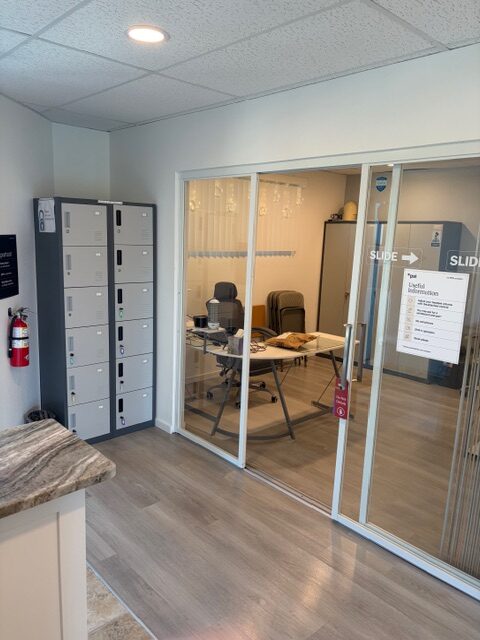
Bring only the items you are allowed to have. Testing centers commonly provide or authorize needed supplies such as scratch materials, pencils, calculators, earplugs, or lockers, but policies vary by exam. Personal belongings, including phones, smartwatches, bags, notes, wallets, and outerwear, may need to be stored before you enter the testing room.
If you have an approved accommodation, arrive with confirmation of that approval and follow any instructions you received. Accommodations are typically arranged in advance through the exam sponsor, not at the front desk on the day of the exam. Planning early helps ensure the testing experience supports your needs.
Prepare Your Route and Arrival Time
Plan to arrive before your appointment time, using the arrival window listed in your confirmation. Late-arrival rules can be strict, and a missed appointment may not be treated the same as a late meeting or class.
Check the address, parking options, building entrance, and expected travel time the day before. In Charlotte County, Sarasota County, and throughout Florida, traffic, weather, construction, and unfamiliar office complexes can add unexpected time to the trip. Build in a reasonable buffer so a delayed turn or full parking area does not become a source of stress.
What Happens During Check-In
Check-in is designed to verify identity and maintain a secure, consistent environment for all candidates. A staff member may review your identification, confirm your appointment, ask you to store personal belongings, and explain center procedures.
Depending on the exam provider and sponsor requirements, you may also complete a candidate agreement, have your photo taken, provide a digital signature, or participate in other security steps. These measures are not personal. They help protect the value of the certification or credential you are pursuing.
Listen closely to instructions about breaks. Some exams allow scheduled or unscheduled breaks, while others count break time against your exam clock. You may be asked to sign in and out whenever you leave the room. Food, drinks, medication, and restroom access may have specific rules, so ask before the exam begins if you are unsure.
Professional staff should be able to clarify center procedures, but they cannot interpret exam questions, explain content, or tell you whether an answer is correct. That boundary protects every candidate. If you experience a technical issue or believe a question has a problem, notify the proctor right away and follow the reporting process.
How to Feel More Prepared in the Testing Room
The most useful test-day routine is simple: sleep as well as you can, eat something that supports steady energy, hydrate before check-in, and arrive early enough to breathe. Avoid trying to learn a large amount of new material in the final hour. A brief review of key concepts may help, but last-minute cramming can increase anxiety.
Once the exam begins, take a moment to understand the screen and available tools. Many computer-based exams include a short tutorial or allow you to review navigation instructions before timed questions start. Use that opportunity. Knowing how to flag a question, move forward, review answers, or access an approved tool prevents unnecessary confusion later.
Pace yourself based on the total number of questions and allotted time. If you meet a difficult question, read it carefully, eliminate clearly incorrect options when possible, and avoid letting one item consume too much of the exam. If the testing platform allows review, flag the question and return to it after completing questions you can answer with more confidence.
Nerves are normal, especially when an exam affects employment, licensing, or advancement. Try a practical reset instead of fighting the feeling. Put both feet on the floor, take one slow breath, and focus only on the next question. You do not need to feel perfectly calm to perform well. You need a steady process.
Common Mistakes That Can Be Avoided
Most test-day problems are preventable. Candidates sometimes arrive with an ID that does not meet the sponsor’s requirements, bring prohibited items into the check-in area, overlook an appointment confirmation, or assume that a familiar exam follows the same rules as a previous one.
Another common mistake is waiting until test day to ask about a concern. If you have a name discrepancy, accommodation question, required documentation, or uncertainty about permitted materials, address it before your appointment whenever possible. Clear answers ahead of time give you more control over the experience.
It is also wise to separate exam preparation from administrative preparation. Studying the content matters, but confirming your ID, route, appointment time, and sponsor instructions matters too. Both forms of preparation protect the effort you have already invested.
A Local Partner for Career Progress
A professional exam center should offer more than a computer station. It should provide a respectful setting where candidates understand the process and can complete an important requirement with confidence. For people balancing work, family, education, or a career transition, clear guidance and reliable service can make a real difference.
IG Group supports individuals pursuing professional goals through exam services, workforce development resources, and practical assistance in one community-based setting. Whether you are preparing for a recognized certification, meeting a job requirement, or building qualifications for your next opportunity, take the time to verify the details and schedule your next step with confidence.
Your exam is one appointment, but it can support a much larger goal. Arrive prepared, follow the required procedures, and give yourself the focused time your progress deserves.