
Sub-Total: $0.00
What Do I Need for Fingerprinting?
Showing up for fingerprinting without the right documents can turn a quick appointment into a frustrating delay. If you’re asking what do I need for fingerprinting, the short answer is this: bring a valid photo ID, any paperwork tied to your employer or licensing agency, and the correct registration or appointment details. The exact requirements depend on why you are being fingerprinted, but a little preparation can save you time and keep your application moving.
What do I need for fingerprinting before my appointment?
Most people need fingerprinting for a job, professional license, volunteer position, immigration-related process, adoption, or a background screening requirement. In many of these cases, the fingerprints are not the only part of the process. Your prints must be matched to the right agency, employer, or licensing board, which is why the paperwork matters just as much as your ID.
At a minimum, plan to bring one unexpired government-issued photo ID. A driver’s license, state ID, passport, military ID, or permanent resident card is commonly accepted, depending on the provider and the type of appointment. If your name has changed and your documents do not match, it is smart to bring supporting documentation, such as a marriage certificate or court order, if the provider advises it.
You should also bring any request form, confirmation email, registration number, ORI number, or service code connected to your fingerprinting. These details tell the technician where your fingerprints need to go. Without them, the appointment may need to be rescheduled or your prints may not be processed correctly.
Payment is another detail people sometimes overlook. Some locations accept cards only, while others may allow cash, money orders, or online prepayment. Checking this before you arrive helps avoid one more obstacle on an already busy day.
The documents you may need for fingerprinting
The exact paperwork depends on the purpose of the screening. For employment fingerprinting, your employer may provide a request form, a billing account number, or a registration link. For a healthcare, education, childcare, or security-related role, there is often an agency code that directs the results to the correct state department or employer account.
If you are being fingerprinted for a professional license, you may need instructions from the licensing board. That can include a specific code, an application number, or a request to use a certain fingerprinting method. Some agencies require live scan electronic submission, while others still ask for fingerprints on a physical card. This is one of the biggest areas where it depends, so it is worth confirming before your appointment.
For immigration, travel, or legal matters, the fingerprinting request may come from an attorney, agency, or government office. In that case, bring the full instructions you received rather than relying on memory. A small detail, like an address, reason code, or submission format, can affect whether your fingerprints are accepted.
If you are getting fingerprinted on an FD-258 card or another hard card, ask in advance whether you need to bring the card yourself or whether the provider supplies it. Some locations provide cards as part of the service, and some do not.
What kind of ID is accepted?
A current, valid, government-issued photo ID is usually the standard. That sounds simple, but accepted identification can vary by agency and service type.
In most cases, a state driver’s license or state identification card is enough. A passport is also widely accepted and can be especially helpful if you do not drive. Military IDs and permanent resident cards are often accepted as well. If you are unsure, contact the fingerprinting location ahead of time and ask exactly which forms of ID they accept for your specific appointment.
What usually causes problems is expired identification, damaged identification, or a mismatch between the name on your ID and the name on your paperwork. If your legal name recently changed, do not assume the technician can work around it. Bring the supporting documents that connect your old name to your current one if needed.
What to expect at a live scan fingerprinting appointment
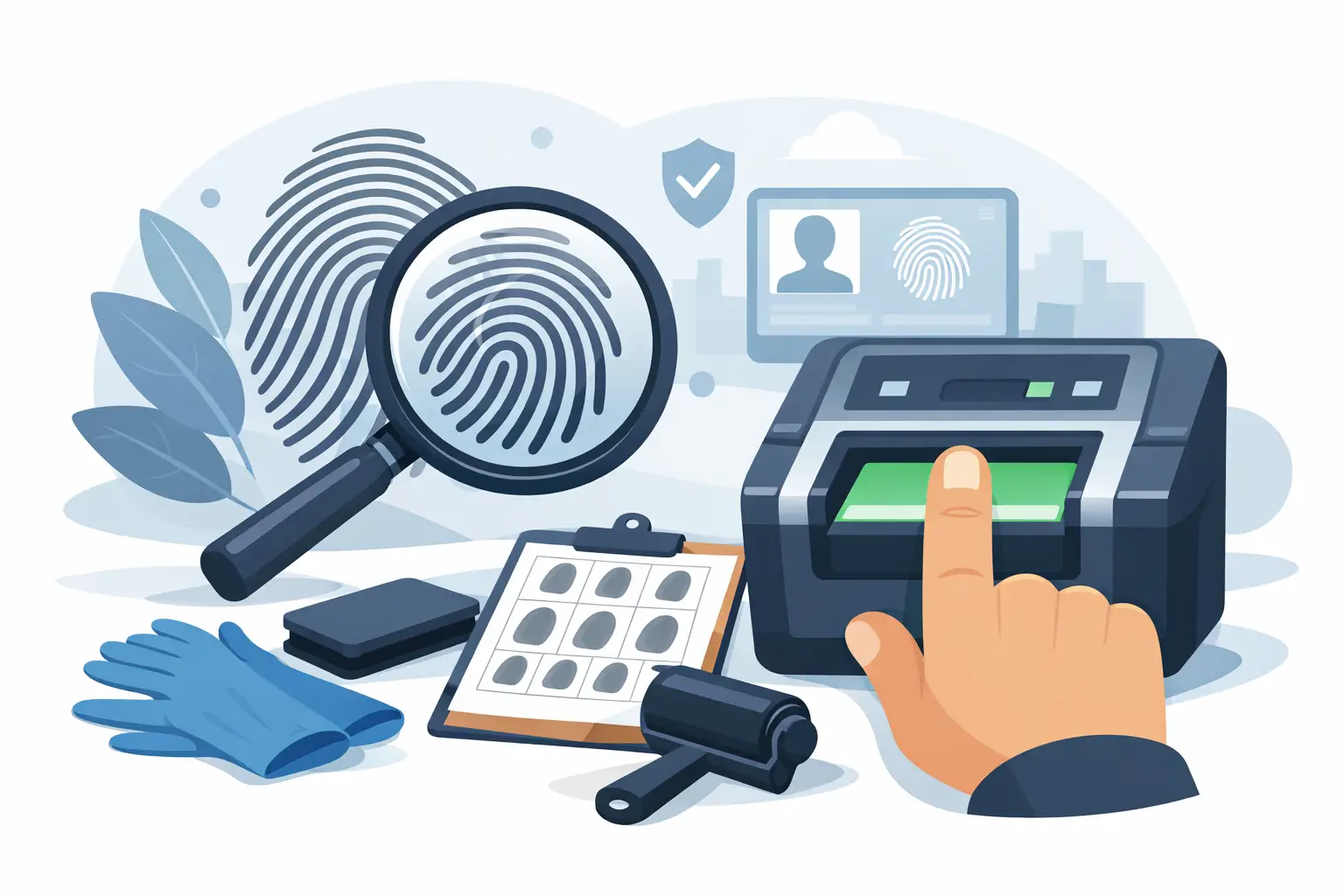
Live scan is the most common method for many employment and licensing requirements because it captures fingerprints electronically and sends them to the appropriate agency. The process itself is usually quick. Your technician will verify your identity, review the information tied to your appointment, and scan your fingerprints digitally.
Clean hands help more than people realize. If your hands are very dry, cracked, or covered in lotion, the image quality may be affected. Washing your hands and avoiding heavy creams right before the appointment can help produce clearer prints. If you work with chemicals, construction materials, or anything that wears down the skin on your fingertips, mention that to the technician. They may take extra care or advise you on timing.
You may also be asked to verify your personal information before the submission is sent. Take a moment to check it carefully. A typo in your name, date of birth, or agency code can create delays that are harder to fix later.
What if I need fingerprint cards instead of live scan?
Not every fingerprinting request is electronic. Some employers, agencies, and out-of-state processes still require ink or printed fingerprint cards. If that applies to you, make sure you know which card format is required and whether the provider offers card fingerprinting.
This is important because live scan and card fingerprinting are not interchangeable in every situation. A provider may offer both, but the destination agency may accept only one method. If your instructions mention FD-258 cards, ink cards, hard cards, or mail-in fingerprinting, bring that paperwork with you and confirm the process ahead of time.
It is also worth asking how many cards you need. Some applications require more than one set, and it is easier to handle that during one visit than to come back later.
Common reasons fingerprinting gets delayed
Most fingerprinting delays come from a few preventable issues. The first is missing or incorrect paperwork. The second is arriving with ID that is expired or does not match the application. The third is not knowing whether the request requires live scan or a physical card.
Poor fingerprint quality can also lead to delays, especially for people whose fingerprints are harder to capture because of age, skin condition, or the type of work they do. That does not mean you cannot be fingerprinted. It just means the process may take a little longer, or the agency may ask for a resubmission.
Another issue is assuming every fingerprinting provider handles every type of request. Some locations only process certain agencies, industries, or state systems. Before you book, confirm that the provider can handle your exact fingerprinting need.
A simple checklist for what you need
If you want the easiest answer to what do I need for fingerprinting, think in terms of four things: your ID, your instructions, your appointment details, and your payment method.
Bring an unexpired photo ID. Bring the form, code, or email tied to your background check or licensing process. Bring any registration number, agency number, or employer details you were given. And bring the right form of payment based on the provider’s policy.
If your situation is more specialized, such as out-of-state licensing, fingerprint cards, immigration paperwork, or a name change, bring the extra documents that support that process too. It is always better to have one more document than you need than to arrive missing the one item that matters.
Before you go, make one quick confirmation call
Even when the process seems straightforward, a quick confirmation can prevent setbacks. Ask what ID is accepted, whether your service requires live scan or cards, whether you need to pre-register, and how payment works. If your fingerprinting is tied to a job offer, license application, or state compliance deadline, those details matter.
For many people, fingerprinting is one step in a larger professional goal. It may be connected to a new job, a healthcare credential, a teaching role, a business requirement, or another opportunity you have worked hard to reach. That is why reliable guidance matters. At IG Group, the focus is on helping people move through these practical steps with clarity and confidence, so they can spend less time guessing and more time moving forward.
If you are preparing for fingerprinting, treat the appointment like any other important professional requirement. Bring the right documents, ask questions early, and give yourself the best chance of getting it done right the first time. A little preparation goes a long way when the next step in your career depends on it.