

Workplace Drug Testing for Florida Employers
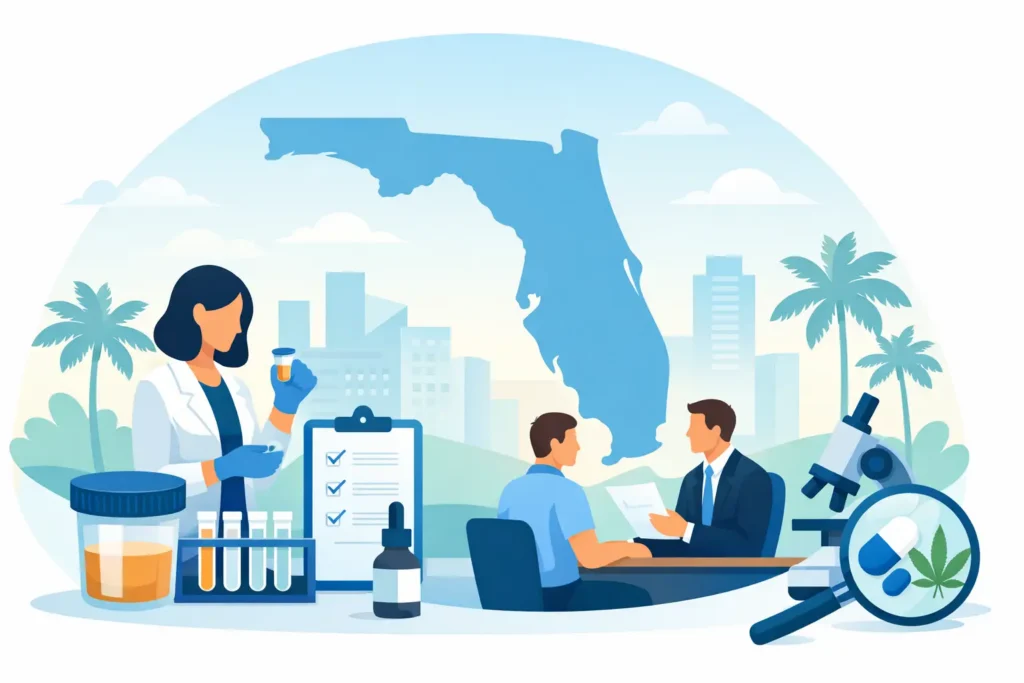
A job offer can move quickly from interview to onboarding, especially when a business needs dependable help right away. Workplace drug testing may be one part of that process, but it should never feel like an unexplained obstacle for applicants or an improvised decision for employers. A clear, consistent approach helps protect the workplace while treating people with the respect they deserve.
For Florida employers, drug testing decisions involve more than selecting a test. They affect hiring timelines, employee communication, workplace safety, privacy, and legal compliance. The strongest programs are built around a written policy, a legitimate business purpose, and reliable procedures that everyone can understand.
Why Workplace Drug Testing Requires a Clear Purpose
Employers use drug testing for different reasons. A transportation company may focus on public safety and federal requirements. A healthcare employer may need to meet licensing, client, or facility standards. A small business may want to reduce safety risks, protect customers, or maintain a productive work environment.
The reason matters because it should guide the policy. Testing every employee in the same way may make sense in one setting and be unnecessary or difficult to justify in another. Employers should identify which positions are safety-sensitive, whether a testing requirement comes from a contract or regulation, and what workplace concern the program is intended to address.
A drug-free workplace policy is not simply about catching wrongdoing. When it is handled responsibly, it establishes expectations before a problem occurs. Employees know what is expected, applicants understand the hiring process, and managers have a consistent framework for responding to concerns.
When Employers Commonly Test
Pre-employment testing is one of the most familiar approaches. It allows an employer to make testing a condition of a job offer, provided the policy is communicated clearly and applied consistently. Many employers wait until after a conditional offer is made so applicants know where they stand before completing the screening requirement.
Other testing situations can include reasonable suspicion, post-accident testing, return-to-duty testing, and periodic testing for designated roles. Each situation calls for careful procedures. For example, reasonable suspicion should not rely on rumors or personal assumptions. Supervisors need training to recognize and document specific, observable behaviors that may support a testing decision.
Random testing may be appropriate in industries with safety-sensitive duties or formal compliance obligations. However, it requires a truly neutral selection method and careful recordkeeping. If employees believe testing is being used selectively or as punishment, trust can be damaged quickly.
Florida Rules and Federal Requirements Can Overlap
Florida employers should understand that state law, federal law, industry rules, and company policy may all shape a testing program. Employers participating in Florida’s Drug-Free Workplace Program have specific notice, policy, and procedural responsibilities. Federal contractors, transportation employers, and organizations in regulated fields may face additional requirements.
Marijuana is an area where confusion is common. Although marijuana laws have changed in many states, marijuana remains illegal under federal law. Florida’s medical marijuana laws also do not automatically require every employer to permit use, impairment, or a positive test result in every employment situation. The practical answer often depends on the role, the employer’s policy, applicable contracts, and whether federal regulations apply.
This is one reason employers should avoid copying a policy from another business or downloading a generic form without review. A policy that works for an office with limited safety exposure may not work for a company with commercial drivers, healthcare staff, heavy equipment operators, or employees who work at customer sites.
Because laws and agency guidance can change, employers should consult qualified legal counsel or a knowledgeable compliance professional when creating or updating a program. That step is especially valuable before taking adverse action based on a test result.
Building a Fair Workplace Drug Testing Policy
A policy should answer the practical questions employees and applicants will have. It should explain who is covered, when testing may occur, what substances are included, how results are reviewed, and what may happen after a verified positive result or a refusal to test.
Plain language is a strength. Employees should not need legal training to understand whether a post-accident test is required or how to disclose a prescription that could affect a result. At the same time, the policy should be specific enough that managers do not have to make up procedures in the moment.
Consistency is essential. Similar situations should receive similar treatment, regardless of a person’s job title, background, or relationship with management. Employers should also consider how accommodations, prescription medications, and protected medical information will be handled. A positive laboratory result does not always tell the full story, which is why professional review and a defined process matter.
A well-designed policy usually addresses four areas: testing circumstances, employee responsibilities, confidentiality practices, and consequences. It should also identify who has authority to request a test and who receives the results. Limiting access to sensitive information helps protect employee privacy and reduces unnecessary workplace discussion.
Choosing a Reliable Testing Process
The test itself is only one piece of the process. Employers need a qualified collection site, appropriate chain-of-custody procedures, a certified laboratory when required, and a reliable method for reporting and reviewing results. A weak process can create delays, confusion, and questions about whether a result can be trusted.
Different testing methods serve different needs. Urine testing is widely used for many employment settings. Oral fluid testing can be useful in some circumstances because collection may be easier to observe. Hair testing may provide a longer detection window, but it may not be the right fit for every purpose. Employers should select a method based on their policy, the role, applicable rules, and advice from qualified providers.
Employers should also establish a plan for inconclusive, diluted, or disputed results. It is better to define the next step in advance than to decide under pressure when a position needs to be filled. Clear procedures support fair decisions and help maintain a smooth hiring experience for qualified applicants.
Communicating With Applicants and Employees
Respectful communication does not weaken a drug-free workplace program. It makes the program more credible. Tell applicants early in the hiring process if testing is required, explain when it will take place, and provide instructions for completing the appointment. Surprises can cause avoidable delays and may lead strong candidates to look elsewhere.
For current employees, distribute the policy in writing and obtain acknowledgment when appropriate. Managers should know how to respond if an employee raises a concern, reports a medication issue, or asks whether a test is required. They should not speculate about results or share private details with coworkers.
Training is particularly important for supervisors. A manager who sees an employee behaving unusually may feel pressure to act quickly. Training helps that manager focus on observable facts, follow the policy, and involve the right decision-makers instead of making a personal judgment.
Supporting Safety Without Losing the Human Element
A workplace can hold high standards and still lead with dignity. Substance-related concerns may involve health, stress, family responsibilities, or a need for treatment. Employers are not expected to ignore safety risks or compliance obligations, but a thoughtful process can leave room for appropriate support when the situation allows.
That balance looks different for every organization. A safety-sensitive role may require immediate action after a verified result, while another role may allow an employer to consider resources, leave options, or a return-to-work process. The key is to make decisions through the policy and applicable law, not through assumptions or inconsistent exceptions.
For local employers managing hiring, screenings, and workforce growth, organized administrative support can make a meaningful difference. A trusted community resource such as IG Group can help professionals and businesses stay focused on the next practical step, whether that involves career preparation, identity-related services, or building better hiring processes.
A workplace drug testing program works best when it is clear before it is needed. Give people straightforward expectations, protect confidential information, train the managers who must carry out the policy, and seek qualified guidance for the rules that apply to your business. Those steps help create a safer workplace while keeping the path forward respectful and professional.