







How to Study for CompTIA With a Clear Plan

A CompTIA exam can represent more than a score. For many career changers and job seekers, it is a concrete step toward an entry-level IT role, a stronger resume, or a new professional direction. Knowing how to study for CompTIA starts with replacing vague, last-minute review with a plan that fits your experience, schedule, and the specific exam you intend to take.
CompTIA certifications cover broad technical ground. The right preparation is not simply reading a book from start to finish or watching every available video. It means studying the published exam objectives, building understanding in smaller sections, practicing how questions are asked, and giving yourself time to correct weak areas. With consistent effort, the material becomes more manageable and test day feels far less uncertain.
Start With the Right CompTIA Exam
Before building a study schedule, make sure the certification matches your goal. CompTIA A+ is commonly chosen by people pursuing help desk, technical support, or desktop support roles. Network+ focuses on networking concepts and troubleshooting. Security+ is often a practical next step for people interested in cybersecurity, compliance, government-related roles, or protecting business systems.
Other CompTIA certifications are more specialized. Cloud+, Linux+, CySA+, PenTest+, and Project+ each support different career paths. If you are new to IT, choosing the most advanced-sounding exam is not always the fastest route forward. A foundational certification can give you the vocabulary and confidence needed to pursue more technical training later.
Review the current exam version and its official objectives before purchasing materials or scheduling your test. Objectives show exactly what the exam is designed to measure, including domains, skills, and technologies. They should become the outline for your entire study plan.
How to Study for CompTIA by Using the Exam Objectives
Think of the exam objectives as a checklist, not just a document to skim. Divide the objectives into manageable topics and mark each one as new, familiar, or ready for review. This prevents a common problem: spending too much time on subjects you already know while avoiding the ones that need attention.
For example, an A+ candidate may feel comfortable identifying computer hardware but need more work on operating systems, security procedures, and troubleshooting methodology. A Security+ candidate may understand basic passwords and antivirus tools but need focused practice with access controls, risk concepts, encryption, or incident response.
Create a simple weekly plan around those gaps. If you work full time or care for family members, shorter study sessions are often more realistic than trying to reserve an entire weekend. Thirty to sixty minutes of focused study several days each week can produce stronger results than occasional marathon sessions that are hard to maintain.
A workable routine might include learning a new topic early in the week, reviewing notes the next day, practicing questions later in the week, and using one session to revisit anything missed. The goal is steady progress, not perfect study days.
Build Understanding Before Memorizing Terms
CompTIA exams include terminology, but memorization alone is rarely enough. Questions often present a workplace situation and ask you to identify the best action, technology, configuration, or troubleshooting step. You need to understand why one answer fits better than the alternatives.
When you learn a term, connect it to a real task. Instead of only memorizing that DHCP assigns IP addresses, picture what happens when a new employee connects a laptop to an office network. Instead of only defining multi-factor authentication, think about how it protects an employee account if a password is exposed.
This approach is especially useful for adult learners who are building technical knowledge while managing other responsibilities. Ask yourself three questions as you study: What does this tool or concept do? When would someone use it? What problem would it solve? If you can explain the answer in plain language, you are moving beyond rote recall.
Use More Than One Type of Study Resource
Different resources serve different purposes. A structured course can help you understand topics in the correct sequence. A study guide can give you a reference point for terms and details. Videos can make hardware, network connections, and security concepts easier to visualize. Practice questions show how well you can apply knowledge under exam-like conditions.
There is a trade-off. Watching videos may feel productive, but passive viewing can hide knowledge gaps. Practice questions provide useful feedback, but taking them repeatedly without reviewing explanations can lead to guessing patterns instead of learning. Combine methods so that one resource strengthens the others.
For technical topics, hands-on practice is especially valuable. If you are studying for A+, safely explore computer settings, user accounts, storage options, and basic troubleshooting on a device available to you. For networking, use diagrams to trace how devices communicate and practice identifying ports, protocols, and network equipment. For security, work through scenarios involving phishing, permissions, backups, and incident reporting.
You do not need an expensive home lab to make progress. The important part is interacting with the concepts rather than only reading about them.
Make Practice Questions a Learning Tool
Practice exams are most helpful after you have studied enough material to recognize the topic being tested. Begin with small quizzes by domain, then move to longer practice exams as your preparation develops. Use timed practice later in the process so you can build pacing skills without turning every early session into a stressful score check.
After each question, review every answer choice, including the ones you got right. If you selected the correct answer for the wrong reason, that topic still deserves review. If two options seem possible, identify the word or detail that makes one answer the better choice.
Keep a short error log with the topic, the reason you missed it, and what you need to review. Your notes might say, “Confused a switch with a router,” “Need to review malware response order,” or “Forgot the purpose of a specific command.” These notes create a targeted review list and keep weak areas from being lost in a large stack of study materials.
Be careful about relying on question dumps or materials that claim to provide real exam questions. They can be inaccurate, outdated, and harmful to genuine learning. More importantly, they do not prepare you to apply knowledge in a real job. Use reputable training resources and practice materials designed to teach the objectives.
Prepare for Performance-Based Questions
Some CompTIA exams may include performance-based questions, which ask you to solve a scenario rather than select a single multiple-choice answer. You may need to match concepts, arrange troubleshooting steps, interpret a configuration, or choose actions within a simulated setting.
These questions can feel unfamiliar, but the same preparation principles apply. Read the full scenario carefully, identify what is being asked, and focus on the stated problem. Do not let an unfamiliar interface cause you to rush. Use your understanding of the objective and eliminate actions that do not address the situation.
When practicing, get comfortable with scenario questions rather than limiting yourself to flashcards. Flashcards are useful for ports, acronyms, and definitions, but they should support your larger preparation, not replace it.
Set a Test Date That Creates Healthy Momentum
A scheduled exam date can turn good intentions into a real plan. However, the right date depends on your starting point. Someone with previous IT work experience may need a shorter review period than someone entering the field for the first time. Give yourself enough time to learn, practice, and revisit difficult material without dragging preparation out so long that motivation fades.
In the final week, shift from learning large amounts of new content to reviewing your error log, objectives checklist, and notes. Take at least one realistic practice exam if you have not done so already. Then review the results calmly. A lower score is useful information, not a verdict on your potential.
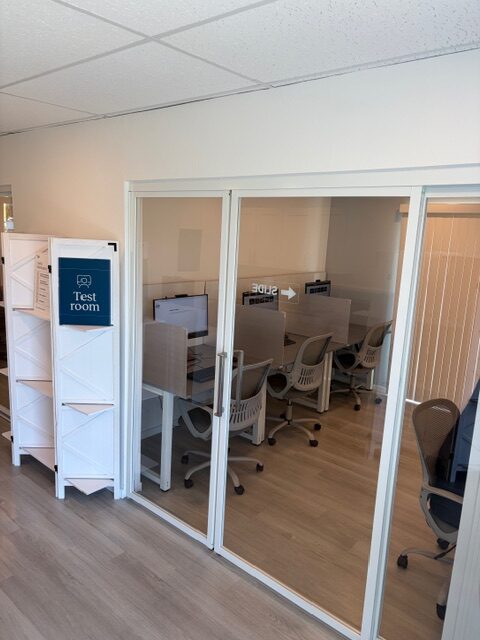
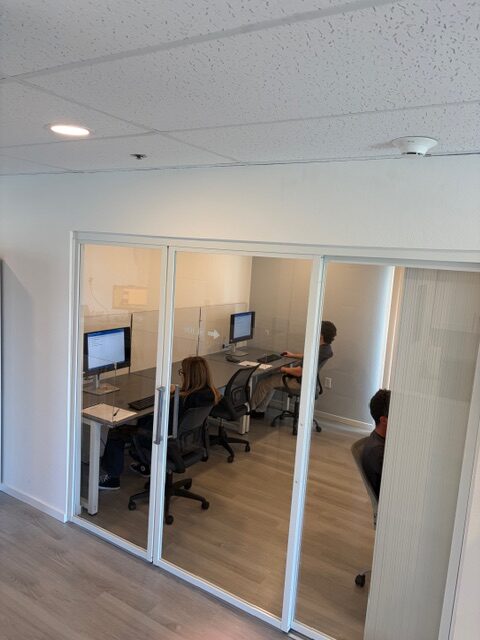
Plan the practical details as well. Confirm your appointment, understand identification requirements, arrive early if testing in person, and get adequate rest the night before. At an approved testing location, staff can help create a professional testing experience, but your preparation remains the foundation.
Give Yourself a Clear Next Step
CompTIA study is a commitment to your career growth, not a test of whether you belong in technology. Every topic you learn adds to your ability to communicate with employers, solve problems, and pursue new opportunities. If you need a dependable place to schedule a qualifying certification exam or want guidance as you prepare, IG Group is here to support adults across Charlotte County, Sarasota County, and the wider Florida community as they move toward professional goals.
Start with one objective, one study session, and one achievable deadline. Progress becomes real when you give it a place on your calendar.