






Professional License Exam Guide for Career Progress

A professional license can be the step between being qualified for a role and being eligible to apply for it. Whether you are pursuing work in healthcare, insurance, real estate, skilled trades, or another regulated field, this professional license exam guide can help you approach the process with a clear plan instead of last-minute stress.
Licensing exams are not simply another school test. They are usually connected to state requirements, employer expectations, identity verification, and deadlines that can affect when you are able to start work. Good preparation means understanding the exam itself, but it also means organizing every requirement around it.
Start With the License Requirements, Not the Study Guide
Many candidates begin by buying a study guide or watching online videos. That can help, but it should not be the first move. Before investing your time, confirm the exact license or certification required for your intended job and the agency that oversees it.
Requirements vary by profession and by state. Some licenses require approved education before testing. Others require an application, a background check, fingerprints, proof of work experience, or a separate law and rules exam. You may also need to pass more than one test before your license is issued.
Write down the full process in the order it must happen. Include application submission, training completion, fingerprinting, exam authorization, test scheduling, the exam date, and any final licensing paperwork. This simple step can prevent a common problem: passing an exam but discovering that another required document delays your next step.
If you are changing careers, give yourself extra time to learn the language of the profession. Licensing materials often use terms that are familiar to people already working in the field. Asking questions early is a strength, not a setback.
Professional License Exam Guide: Know What the Test Measures
A licensing exam is designed to show whether you can apply knowledge safely, ethically, and consistently. It may include factual questions, but it often tests judgment. The question is not always, “What definition did you memorize?” It may be, “What should you do first in this situation?”
Find the official exam content outline whenever it is available. This document identifies the subject areas and may show how heavily each section is weighted. A topic worth a large portion of the score deserves more study time than a topic that appears only occasionally.
Also confirm the test format. Knowing whether your exam is computer-based, timed, multiple choice, scenario-based, or delivered in sections will shape how you practice. For example, a candidate who understands the material but has never worked under timed conditions may still struggle on test day.
Practice questions are most useful when you review the reason behind every answer. Do not only celebrate correct responses. Ask why the other choices are wrong and what clue in the question helped you decide. That habit builds the professional judgment many exams are designed to measure.
Build a Study Plan That Fits Real Life
Adult learners often prepare while working, caring for family, managing a business, or taking courses. A study plan that assumes you have three free hours every evening is unlikely to last. A realistic plan is more valuable than an ambitious one you abandon after a week.
Begin with your test date or your target testing window. Then work backward. Divide the exam content into manageable topics and assign each one to a specific study session. Include review sessions, not just new material, because repeated exposure helps information stay with you.
A useful weekly routine may include short study blocks during the week and one longer session for practice questions and review. The exact schedule depends on the complexity of the exam and your starting knowledge. Someone with recent training may need focused review, while someone returning to a field after several years may need more time to rebuild core skills.
Keep a running list of topics that slow you down. These are your priority areas. It is tempting to spend most of your time reviewing subjects you already know because it feels productive. Real progress happens when you return to the material that challenges you and improve it one step at a time.
Practice for the Conditions You Will Face
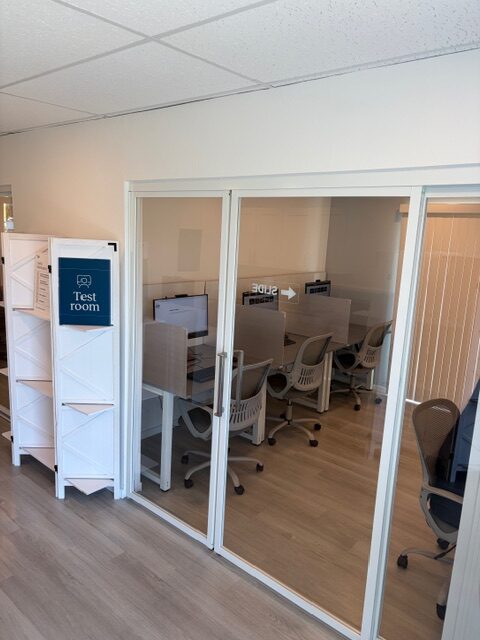
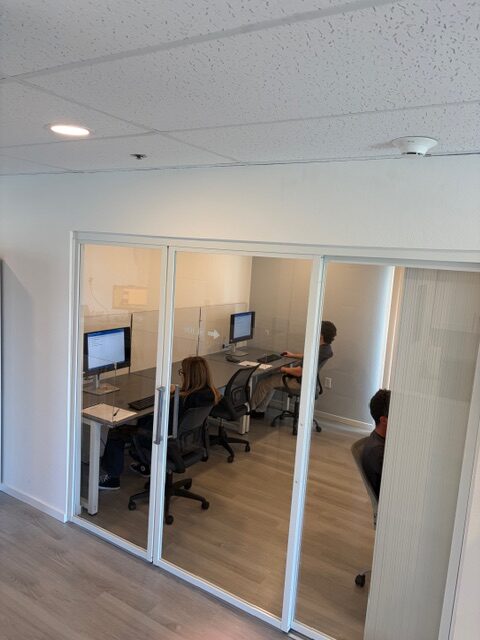
Studying in a quiet room with no time limit is different from sitting at a testing center. Before your exam, complete at least a few timed practice sessions that resemble the real experience as closely as possible.
Use a timer, put your phone away, and work through questions without checking answers after each one. When you finish, review your results carefully. Look for patterns. Are you missing questions because you do not know the topic, because you read too quickly, or because you change correct answers after second-guessing yourself?
Test-taking strategy matters, but it cannot replace preparation. Read each question fully before looking at the answer choices. Notice words such as “first,” “best,” “most,” and “except,” which can change what the question is asking. If you are unsure, eliminate choices that are clearly inaccurate, select the best remaining answer, and move forward rather than losing too much time on one question.
Organize Your Exam-Day Requirements Early
A smooth exam day begins several days before your appointment. Review your confirmation details and make sure the name on your registration matches the identification you will bring. A mismatch can create an avoidable problem at check-in.
Confirm the testing location, arrival time, parking options, identification rules, and permitted items. Testing providers have specific security procedures, and some exams have rules about personal belongings, calculators, breaks, or clothing. Plan to arrive early enough to check in calmly without sitting in the parking lot for an hour.
If your license path includes fingerprinting or background-check-related requirements, do not treat them as an afterthought. These steps may have their own instructions and processing times. Completing them correctly helps keep your application moving after you finish the exam.
For candidates in Charlotte County, Sarasota County, and nearby Florida communities, having local support for testing, required screenings, and career-focused services can reduce the need to coordinate several separate providers. IG Group helps clients take practical steps toward professional goals with reliable, personalized assistance.
What to Do If You Do Not Pass
Not passing on the first attempt can feel discouraging, especially when a new job or career move is waiting. It does not mean you are not capable of succeeding in the profession. It means your next study plan needs better information.
Review your score report if one is provided. It may identify the content areas where you need additional work. Compare those areas with your study materials and practice results. Then adjust your approach instead of repeating the same routine.
You might need more content review, more timed practice, or a better way to manage test anxiety. If English is not your first language, allow extra time to become comfortable with the wording used in exam questions. English-language learning support can strengthen both your confidence and your ability to understand technical instructions.
Check the retake rules before scheduling again. There may be a required waiting period or limits on the number of attempts. Use that time purposefully. A retake should feel like a new preparation cycle, not simply another appointment.
Keep the Bigger Goal in View
Your exam is a major milestone, but it is part of a larger professional path. Once you pass, you may still need to submit final documentation, maintain continuing education, renew your credential, or meet employer onboarding requirements. Keep copies of confirmations, score reports, certificates, and submitted forms in one secure place.
The most effective candidates are not always the people who feel completely ready from day one. They are the people who follow the requirements closely, prepare consistently, and ask for help when they need clarity. Give yourself credit for each completed step, then keep moving toward the work and opportunities you have been preparing for.