








Employment Assessment Tests: What to Expect

A job application can feel encouraging right up to the moment an employer asks you to complete employment assessment tests. You may wonder what the questions mean, how much they affect your chances, or whether there is a “right” way to respond. The good news is that most assessments are not designed to trick qualified candidates. They are designed to help employers make more consistent hiring decisions and identify people whose skills, work style, and readiness match the role.
For job seekers, the best approach is preparation without pretending to be someone you are not. Understanding the purpose of an assessment can reduce stress, help you manage your time, and allow your real strengths to come through.
What Employment Assessment Tests Measure
Employment assessment tests are tools employers use during the hiring process to evaluate job-related abilities or characteristics. The format depends on the position, industry, and employer. A customer-facing role may focus on communication and judgment, while an office, healthcare, technical, or regulated role may place more emphasis on accuracy, safety, learning ability, or specific job knowledge.
An assessment is only one piece of the hiring process. Employers may also consider your application, resume, interview, references, certifications, background screening requirements, and practical experience. Still, a test can be an important step because it gives the employer a structured way to compare candidates using the same criteria.
Common assessments include:
- Skills tests that measure typing, data entry, reading comprehension, math, software knowledge, or industry-specific knowledge.
- Cognitive or aptitude tests that evaluate problem-solving, attention to detail, pattern recognition, and the ability to learn new information.
- Situational judgment tests that present workplace scenarios and ask how you would respond.
- Personality or work-style questionnaires that explore preferences such as teamwork, dependability, organization, customer focus, or comfort with routine.
- Physical ability, safety, or role-specific evaluations for jobs with particular operational demands.
Not every employer uses every type. A well-designed assessment should relate directly to the job, not ask candidates to prove abilities that have little connection to the work they would actually perform.
Why Employers Use Assessments
Hiring involves risk for employers, especially small businesses that need dependable team members and may not have time for repeated turnover. Resumes are valuable, but they do not always show how a person handles a realistic task, follows procedures, or responds under pressure. Assessments can provide another source of information before a hiring decision is made.
They can also improve consistency. When each candidate receives the same job-related questions or tasks, the employer has a clearer basis for comparison than an interview alone. This does not make assessments perfect. A test should never replace thoughtful human judgment, and strong employers recognize that candidates bring different backgrounds, communication styles, and learning experiences to the process.
For candidates, an assessment can be an opportunity. Someone changing careers may not have years of experience in a new field but may demonstrate strong attention to detail, customer service judgment, technical ability, or readiness to learn. A practical evaluation can help those strengths stand out.
Know Which Test You Are Taking
Before you begin, read the invitation carefully. Look for the assessment name, the deadline, the expected time commitment, whether it is completed online or in person, and whether you need a computer, webcam, calculator, or government-issued identification.
If the message does not provide enough information, it is reasonable to ask the employer or recruiter what type of assessment it is and how long you should plan for. You do not need to ask for the answers. You simply need enough practical information to prepare appropriately and arrive ready.
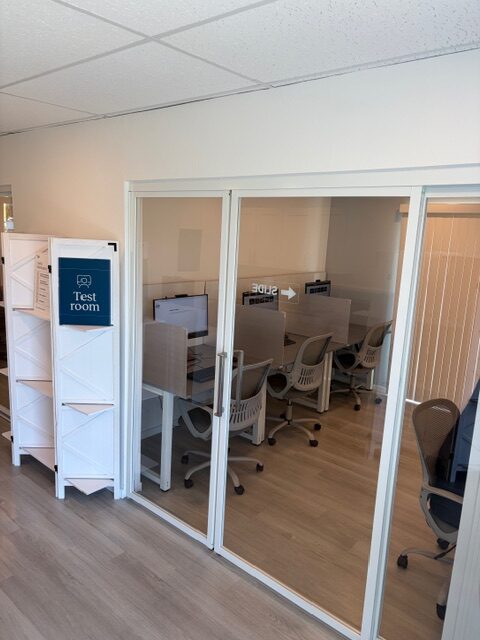
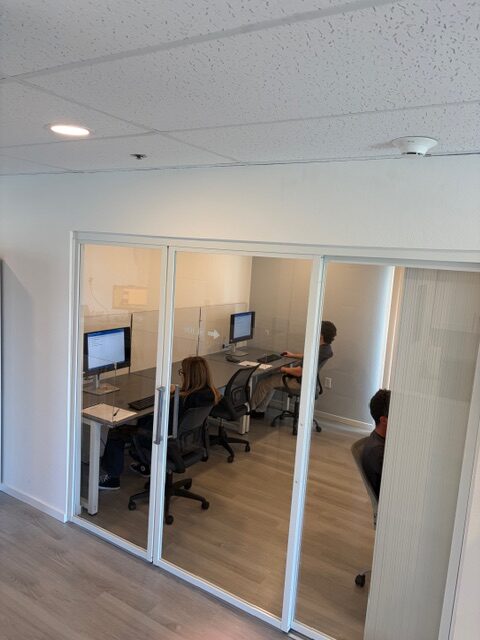
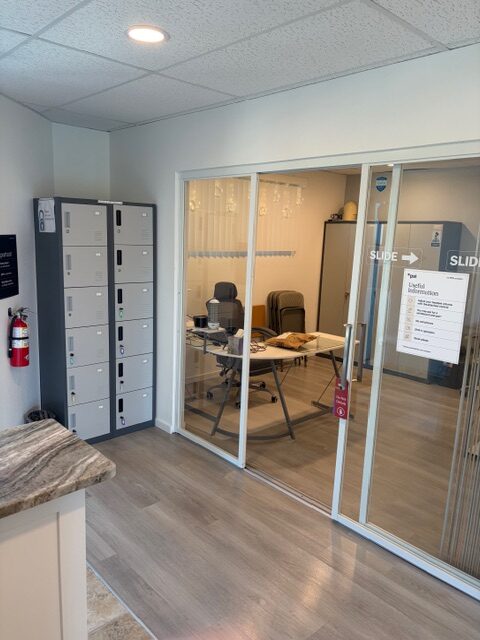
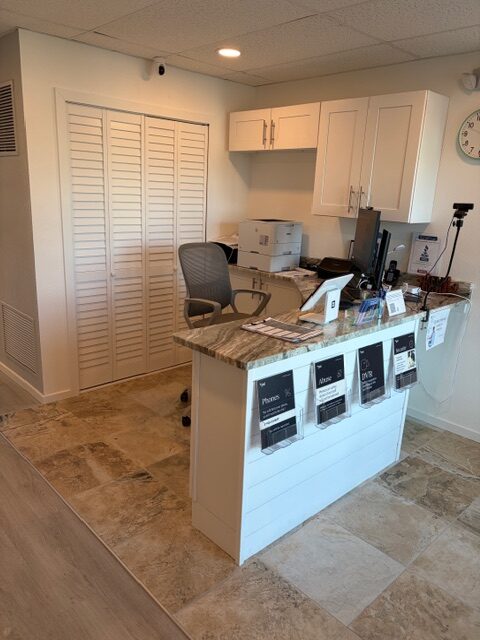
Some organizations use assessments as an early screening step. Others wait until after an interview, a conditional offer, or a training stage. If an assessment is administered at a testing location, follow all instructions about check-in time, identification, personal items, and testing rules. Showing up early and prepared is a simple but meaningful way to begin on a professional note.
How to Prepare Without Overthinking It
Preparation should match the kind of test you expect. If you are applying for an administrative position, practice basic typing, document review, data entry, and spreadsheet tasks. For roles that require calculations, refresh the type of math used on the job, such as percentages, measurements, schedules, or cash handling. For customer service positions, think through how you would handle an upset customer, competing priorities, or an unclear request.
Start with the job description. Highlight the repeated responsibilities and required skills. Those details often point to what the employer may evaluate. If the description emphasizes accuracy, expect tasks that require careful reading or checking details. If it emphasizes safety procedures, focus on following instructions rather than rushing through questions.
The day of the assessment matters too. Choose a quiet place for an online test, test your internet connection, silence notifications, and give yourself more time than the stated test length. For an in-person appointment, bring the required identification and arrive with enough time to settle in.
Avoid searching for shortcuts or trying to guess what a personality questionnaire “wants” you to say. Many work-style assessments include questions that check for consistency. Honest answers are more useful for you as well as the employer. A job is more likely to be a good long-term fit when your actual preferences and working habits are understood from the beginning.
Strategies for Different Assessment Formats
For timed skills and aptitude tests, read instructions once with care before moving quickly. A common mistake is losing points because of a misunderstood rule, not because of limited ability. Watch the clock, but do not let it pull your attention away from the question in front of you. If the format allows you to skip and return, use that option strategically rather than spending too long on one difficult item.
For situational judgment questions, choose the response that is professional, safe, respectful, and aligned with the role. In many workplace scenarios, the strongest answer is not the fastest or most forceful response. It is often the one that protects the customer, follows policy, communicates clearly, and involves the appropriate supervisor when necessary.
For personality and work-style questions, respond based on your usual behavior at work rather than a single unusual experience. There may be statements that feel similar or repetitive. That is normal. Read each one carefully and answer consistently.
If you complete a job simulation, treat it like a short sample of the role. Follow directions, prioritize accuracy, and demonstrate sound judgment. Employers are often looking at your process as much as your final answer.
When You Need an Accommodation or Clarification
Candidates with disabilities may need a reasonable accommodation to participate fairly in a pre-employment assessment. If you need extra time, assistive technology, an alternate format, or another adjustment, contact the employer or testing provider as early as possible. You do not have to wait until the day of the assessment, when options may be limited.
Language can also affect confidence. If English is not your first language, carefully review the job requirements and assessment instructions. Some positions require a specific level of English communication because it is essential to the work, while other roles may allow candidates to demonstrate their ability through practical tasks. Ask respectful questions when instructions are unclear instead of making assumptions.
After You Finish the Test
Once you submit an assessment, avoid replaying every answer in your mind. You cannot change a completed test, but you can continue preparing for the next step. Review the job description, prepare examples from your experience, and be ready to explain how you solve problems, serve customers, learn new systems, or follow procedures.
If you are not selected, the assessment result does not define your potential. It may mean the employer needed a different experience level, work style, schedule, or specific skill at that time. Use the experience as information. Identify what felt difficult, strengthen that skill, and keep moving toward opportunities that fit your goals.
For individuals in Charlotte County, Sarasota County, and across Florida who are preparing for career steps that involve testing, credentials, identity verification, or professional development, IG Group can provide practical, personalized guidance on the services that may support your next move.
A hiring assessment is not a verdict on your future. It is one moment to show employers how you think, work, and prepare. Give it the same care you would give the job itself, and let that preparation carry forward into every opportunity that follows.